What Is a Colonoscopy?
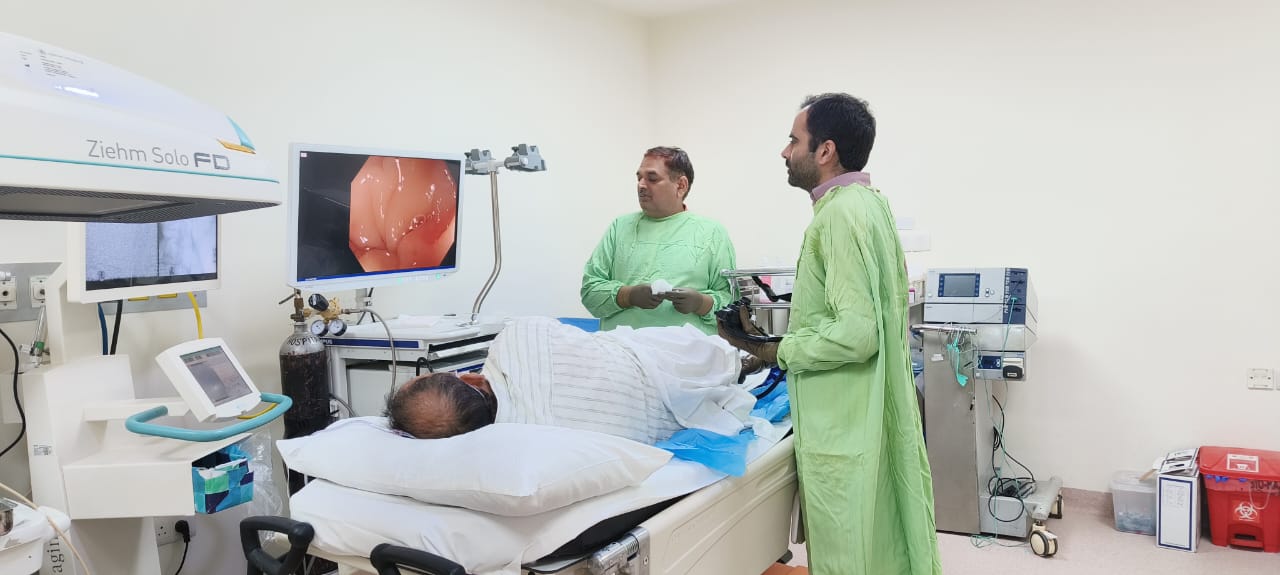
A colonoscopy is a safe and effective medical procedure that allows a doctor to examine the inside lining of the colon (large intestine) and rectum using a long, thin, flexible tube called a colonoscope. The colonoscope has a tiny camera and light at its tip, which transmits real-time images to a monitor. Colonoscopy is considered the gold standard for detecting abnormalities in the colon, including polyps, inflammation, ulcers, bleeding, and colorectal cancer. During the procedure, doctors can also remove polyps or take tissue samples (biopsies) for further examination, making it both a diagnostic and therapeutic procedure.
Why Is a
Colonoscopy Performed?
Screen for colorectal cancer
Detect and remove colon polyps
Investigate rectal bleeding
Evaluate persistent abdominal pain
Determine the cause of chronic diarrhea or constipation
Investigate unexplained weight loss
Diagnose inflammatory bowel diseases (Crohn's disease and ulcerative colitis)
Monitor patients with a history of colon polyps or colorectal cancer
Evaluate changes in bowel habits
Investigate unexplained iron-deficiency anemia
Conditions Diagnosed with Colonoscopy
Colorectal cancer
Colon polyps
Ulcerative colitis
Crohn's disease
Diverticular disease
Colitis
Intestinal bleeding
Benign tumors
Hemorrhoids (in some cases)
Infectious bowel diseases
Ischemic colitis
Who Should
Have
a Colonoscopy?
Are 45 years or older for routine colorectal cancer screening (or earlier if you are at higher risk)
Have a family history of colorectal cancer or colon polyps
Experience blood in your stool
Have persistent abdominal pain
Notice unexplained changes in bowel habits
Have chronic constipation or diarrhea
Have inflammatory bowel disease
Have unexplained anemia
Have previously had colon polyps
How to
Prepare
for a Colonoscopy
Proper bowel preparation is essential for accurate results. Your doctor may advise you to follow a low-fiber diet a few days before the procedure, then switch to clear liquids the day before. You will also be prescribed a laxative solution to completely empty your bowel. Your doctor may advise temporarily stopping blood thinners, iron supplements, certain diabetes medications, and some anti-inflammatory medications.
Follow a Low-Fiber Diet
Switch to Clear Liquids
Take Bowel Preparation Medication
Avoid Certain Medications
What Happens
During
the Procedure?
Sedation
Insertion of the Colonoscope
Examination
Polyp Removal or Biopsy
A colonoscopy usually takes 20 to 45 minutes. Air or carbon dioxide is introduced to expand the colon for better visibility, and the camera allows the doctor to inspect the entire lining of the large intestine.
Is Colonoscopy
Painful?
Most people experience little to no pain because sedation is commonly used. You may feel mild pressure, temporary bloating, or cramping after the procedure due to the air introduced into the colon. These symptoms usually resolve within a few hours.
Benefits
of
Colonoscopy
Early detection of colorectal cancer
Removal of precancerous polyps
Accurate diagnosis of bowel diseases
Investigation of gastrointestinal bleeding
Prevention of colorectal cancer through early intervention
Ability to diagnose and treat certain conditions during the same procedure
Are
There Any Risks?
Colonoscopy is generally very safe when performed by experienced specialists. Rare complications include bleeding, perforation, infection, reaction to sedation, and temporary abdominal discomfort. Your healthcare provider will discuss these risks before the procedure.
Recovery
After
Colonoscopy
Most patients recover quickly. After the procedure, rest for the remainder of the day, do not drive or operate machinery for 24 hours if you received sedation, resume eating as advised by your doctor, and drink plenty of fluids. Mild bloating or passing gas is normal.
Severe abdominal pain
Heavy rectal bleeding
Fever
Persistent vomiting
Dizziness or fainting
How Often
Should You Have a Colonoscopy?
The recommended interval depends on your individual risk and findings. Average-risk adults may need a colonoscopy every 10 years after a normal screening exam, starting at age 45 in many guidelines. If you have a history of polyps, family history of colorectal cancer, or inflammatory bowel disease, your gastroenterologist may recommend earlier and more frequent surveillance.

Dr. Pankaj Kumar
MBBS - SMS Medical College Jaipur
MD - RNT
Medical College Udaipur
DM Gastroenterology -
SGPGI Lucknow.
Consultant - Gastroenterology at Max Super Speciality Hospital