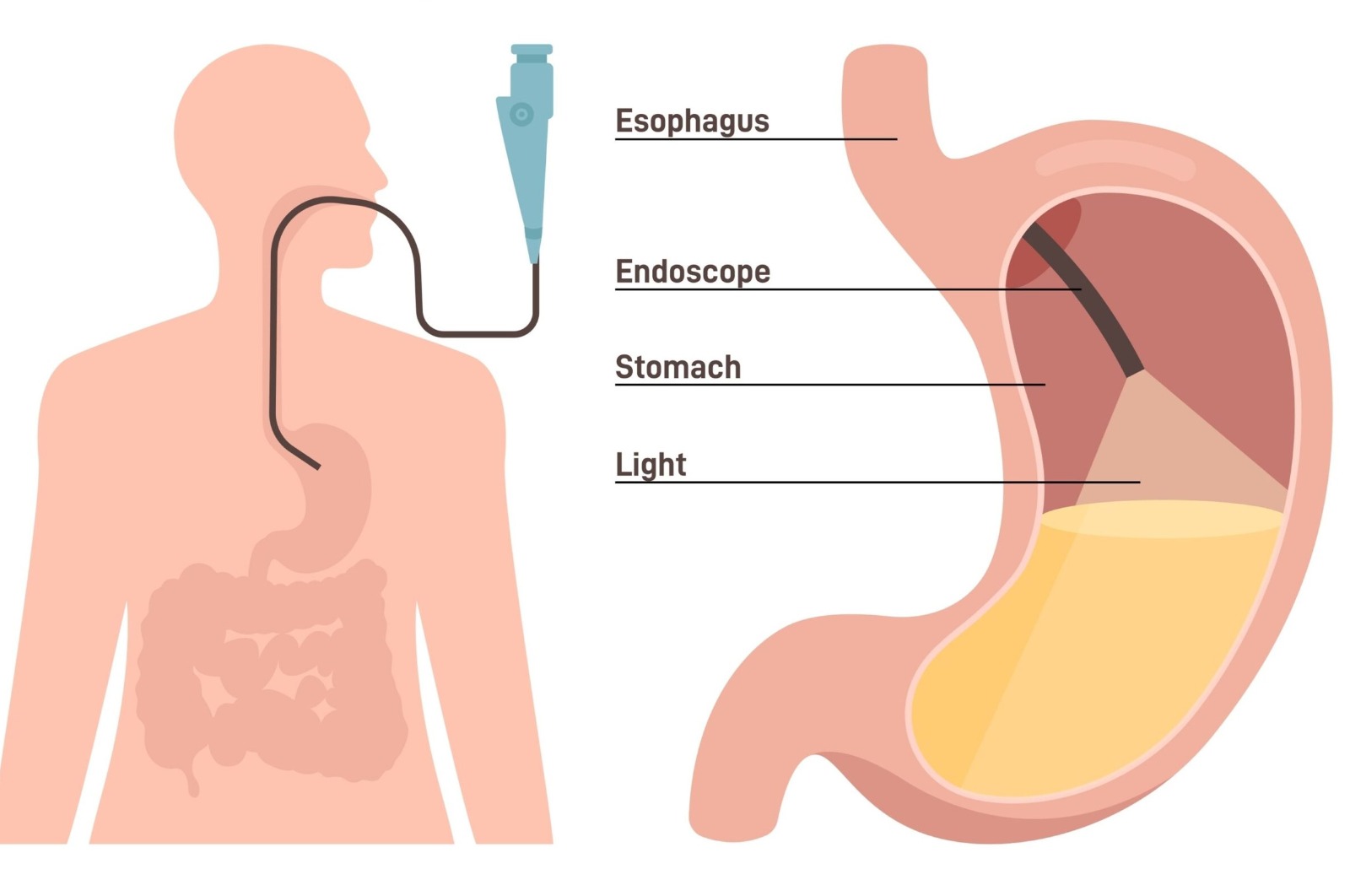
Upper Gastrointestinal Endoscopy – Advanced Diagnosis & Expert Digestive Care
Upper Gastrointestinal (GI) Endoscopy, also known as Esophagogastroduodenoscopy (EGD), is a safe and minimally invasive procedure used to examine the upper digestive tract, including the esophagus, stomach, and duodenum (the first part of the small intestine). It helps diagnose and treat a wide range of digestive disorders, allowing for early detection and effective management of gastrointestinal conditions.
Our experienced gastroenterologists perform upper GI endoscopy using advanced, high-definition endoscopic equipment to provide accurate diagnosis, patient comfort, and optimal treatment outcomes.
What Is an Upper GI Endoscopy?
An Upper GI Endoscopy is a diagnostic and therapeutic procedure in which a thin, flexible tube with a high-definition camera (endoscope) is gently passed through the mouth into the upper digestive tract. The procedure allows the doctor to view the lining of the esophagus, stomach, and duodenum in real time and perform treatments if necessary. The procedure is usually completed within 15–30 minutes and is commonly performed under sedation for maximum comfort.
Investigate persistent acid reflux or heartburn
Diagnose stomach ulcers
Evaluate difficulty swallowing (Dysphagia)
Identify the cause of upper abdominal pain
Detect gastritis and inflammation
Investigate unexplained nausea or vomiting
Evaluate gastrointestinal bleeding
Diagnose celiac disease
Detect tumors or precancerous changes
Remove foreign bodies
Obtain tissue biopsies for laboratory analysis
Gastroesophageal Reflux Disease (GERD)
Gastritis
Peptic Ulcers
Esophagitis
Barrett's Esophagus
Hiatal Hernia
Celiac Disease
Stomach Polyps
Esophageal Strictures
Upper GI Bleeding
Stomach and Esophageal Cancer
Duodenal Disorders
Persistent heartburn or acid reflux
Difficulty or pain while swallowing
Upper abdominal pain
Persistent nausea or vomiting
Vomiting blood
Black or tarry stools
Unexplained weight loss
Chronic indigestion
Loss of appetite
Iron deficiency anemia with no clear cause
Avoid eating or drinking for 6–8 hours before the procedure
Inform the doctor about all medications
Discuss any allergies or existing medical conditions
Arrange for someone to drive you home if sedation is used
Follow all preparation instructions provided by your healthcare team
Mild sedation is administered for comfort.
A flexible endoscope is gently inserted through the mouth.
The doctor carefully examines the esophagus, stomach, and duodenum.
Tissue samples (biopsies) may be collected if needed.
Small therapeutic procedures, such as stopping bleeding or removing polyps, can be performed during the same procedure.
The endoscope is carefully removed after the examination.
Accurate diagnosis of digestive disorders
Early detection of ulcers and cancer
Minimally invasive procedure
Quick recovery time
Ability to perform biopsies
Can treat certain conditions during the procedure
High-definition visualization
Reduced need for exploratory surgery
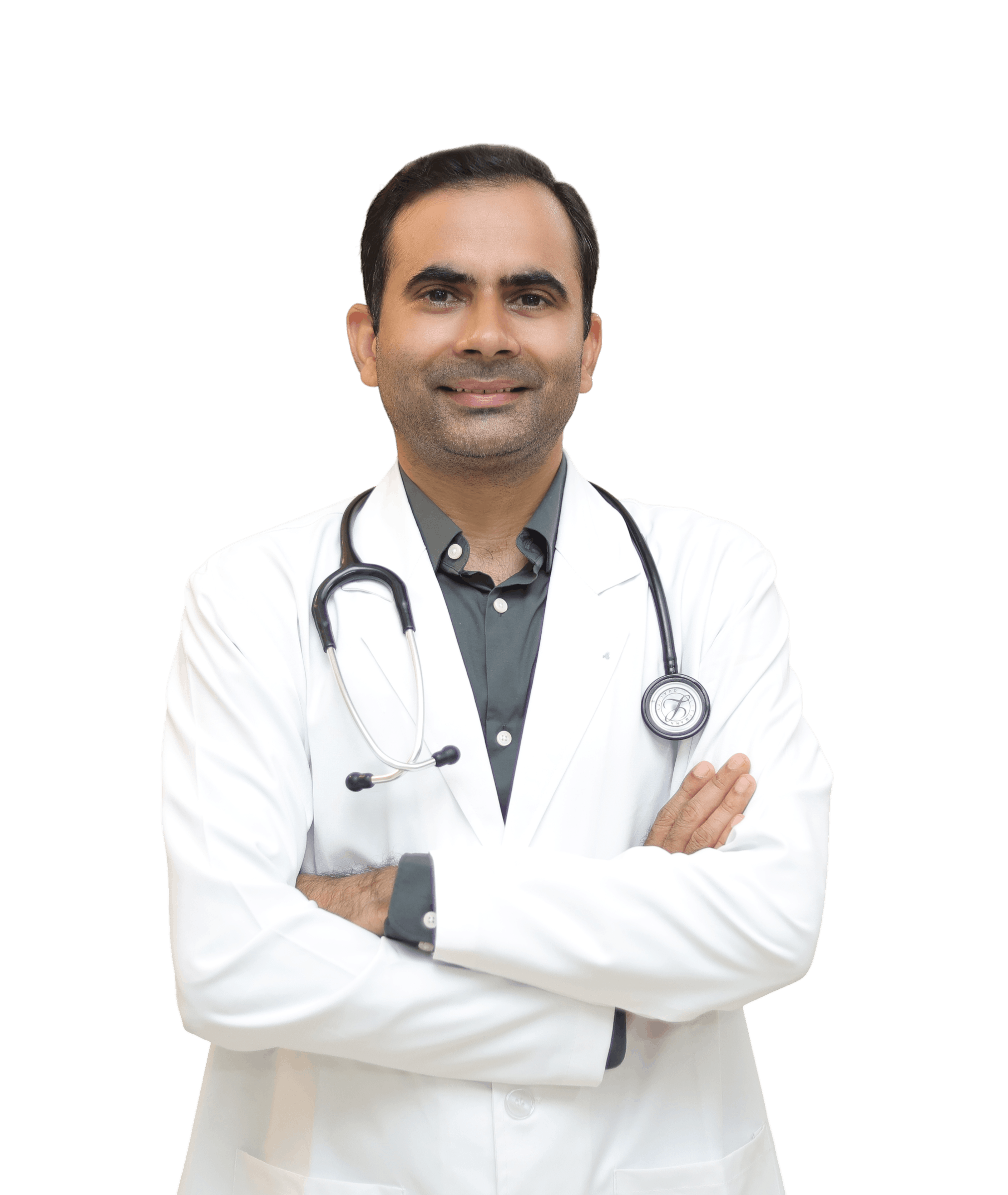
Dr. Pankaj Kumar
MBBS - SMS Medical College Jaipur
MD - RNT
Medical College Udaipur
DM Gastroenterology -
SGPGI Lucknow.
Consultant - Gastroenterology at Max Super Speciality Hospital
Our Service
Contact Info
Phone
+91 9599210449
drpankajkumargastro@gmail.com
Clinic
Ground Floor, B 100A, B Block, Pocket H, Sector 27, Noida, Uttar Pradesh 201301
OPD Time
Mon to Sat - 6 PM to 9 PM