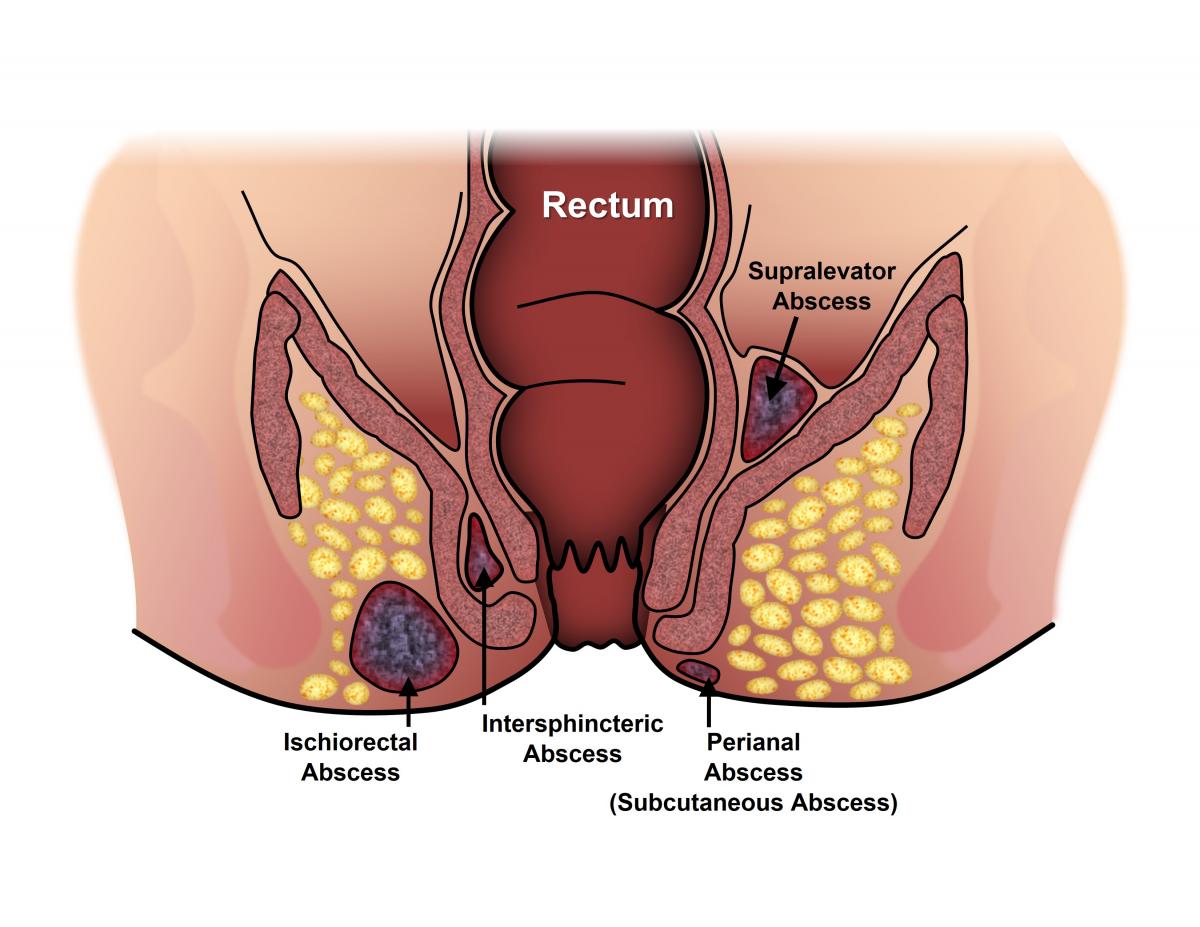
Anorectal Dyssynergia Treatment – Expert Diagnosis & Pelvic Floor Care
Anorectal Dyssynergia, also known as Dyssynergic Defecation, is a pelvic floor disorder in which the muscles of the rectum and anus fail to coordinate properly during bowel movements. Instead of relaxing, these muscles tighten or contract, making it difficult to pass stool. This condition is a common cause of chronic constipation and can significantly affect quality of life if left untreated.
Our experienced gastroenterologists specialize in diagnosing and treating anorectal dyssynergia using advanced diagnostic techniques and personalized treatment plans, including biofeedback therapy, to restore normal bowel function.
What Is Anorectal Dyssynergia?
During a normal bowel movement, the pelvic floor muscles and anal sphincter relax while the rectum contracts to allow stool to pass. In anorectal dyssynergia, this coordination is disrupted, resulting in difficulty evacuating the bowels despite the urge to do so. This condition is a functional bowel disorder and is often treatable with non-surgical therapies.
Chronic constipation
Excessive straining during bowel movements
Feeling of incomplete bowel evacuation
Hard or difficult-to-pass stools
Need for prolonged time on the toilet
Frequent use of laxatives or enemas
Abdominal bloating
Rectal discomfort or pain
Need to use manual assistance to pass stool
Reduced quality of life due to bowel difficulties
Poor coordination of pelvic floor muscles
Pelvic floor muscle dysfunction
Chronic constipation
Childbirth-related pelvic floor injury
Neurological disorders
Previous anorectal surgery
Habitual suppression of bowel movements
Psychological stress and anxiety
Detailed medical history and physical examination
Digital Rectal Examination (DRE)
Anorectal Manometry
Balloon Expulsion Test
Defecography (Dynamic MRI or X-ray)
Colonoscopy (when indicated)
Transit Time Study
Blood and stool investigations to rule out other causes
Biofeedback Therapy (first-line treatment)
Pelvic Floor Physical Therapy
Dietary modifications with increased fiber intake
Adequate hydration
Bowel retraining techniques
Medications to soften stools when required
Lifestyle modifications
Treatment of associated gastrointestinal conditions
Most patients experience significant improvement with biofeedback therapy and do not require surgery.
Eat a high-fiber diet
Drink plenty of water
Exercise regularly
Respond promptly to the urge to have a bowel movement
Avoid excessive straining
Follow a consistent toilet routine
Practice pelvic floor exercises as recommended by your healthcare provider
Dr. Pankaj Kumar
MBBS - SMS Medical College Jaipur
MD - RNT
Medical College Udaipur
DM Gastroenterology -
SGPGI Lucknow.
Consultant - Gastroenterology at Max Super Speciality Hospital
Our Service
Contact Info
Phone
+91 9599210449
drpankajkumargastro@gmail.com
Clinic
Ground Floor, B 100A, B Block, Pocket H, Sector 27, Noida, Uttar Pradesh 201301
OPD Time
Mon to Sat - 6 PM to 9 PM