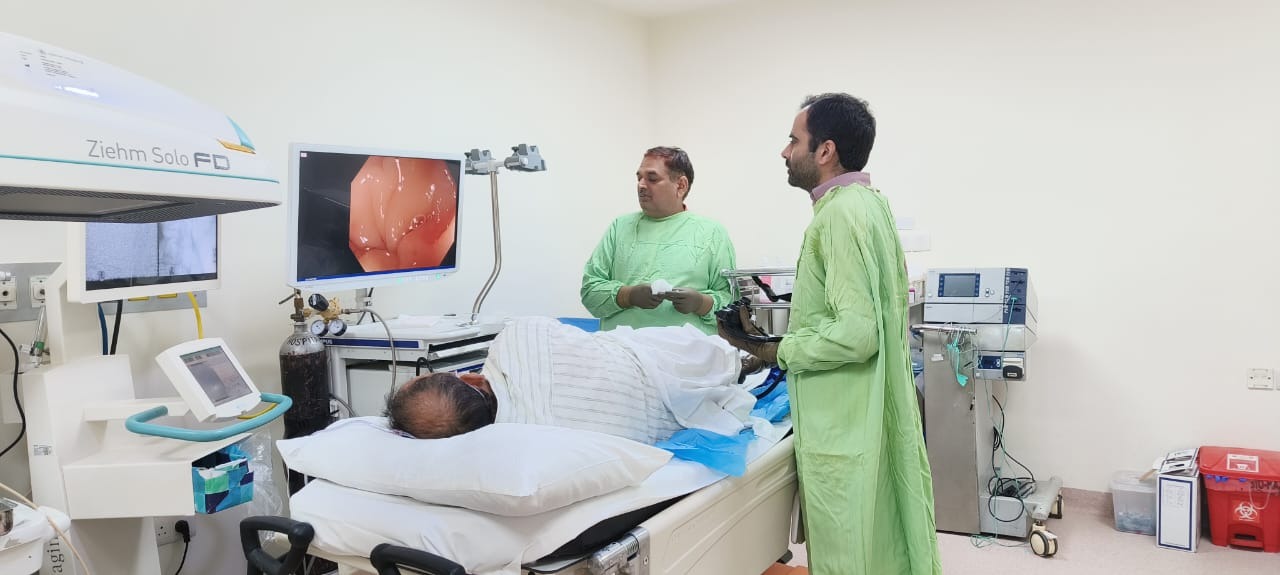
Colonoscopy – Advanced Screening & Diagnosis for Colon and Rectal Diseases
Colonoscopy is a safe and highly effective diagnostic and therapeutic procedure used to examine the large intestine (colon) and rectum. It helps detect and treat various digestive conditions, including colon polyps, colorectal cancer, inflammatory bowel disease (IBD), unexplained bleeding, and chronic bowel disorders. Early detection through colonoscopy plays a crucial role in preventing colorectal cancer and ensuring better treatment outcomes.
Our experienced gastroenterologists perform colonoscopy using advanced high-definition endoscopic technology, providing accurate diagnosis, early disease detection, and minimally invasive treatment in a comfortable and safe environment.
What Is a Colonoscopy?
A colonoscopy is a minimally invasive procedure in which a long, flexible tube with a high-definition camera (colonoscope) is inserted through the rectum to examine the entire colon. The procedure allows the doctor to identify abnormalities, collect tissue samples (biopsies), and remove polyps during the same examination. The duration and use of sedation depend on the indication, findings and patient's clinical condition.
Persistent abdominal pain
Chronic diarrhea or constipation
Blood in the stool
Rectal bleeding
Unexplained weight loss
Iron deficiency anemia
Changes in bowel habits
Family history of colorectal cancer
Positive stool screening test
Suspected inflammatory bowel disease (IBD)
Screening test for colorectal cancer
Colon Polyps
Colorectal Cancer
Ulcerative Colitis
Crohn's Disease
Diverticular Disease
Colitis
Gastrointestinal Bleeding
Chronic Diarrhea
Chronic Constipation
Hemorrhoids (evaluation)
Benign and malignant tumors
Colon infections
Blood in the stool
Persistent constipation or diarrhea
Ongoing abdominal pain
Unexplained weight loss
Rectal bleeding
Black or tarry stools
Persistent bloating
Fatigue due to anemia
Change in bowel habits lasting several weeks
Positive fecal occult blood test (FOBT)
Follow a clear liquid diet the day before the procedure
Take the prescribed bowel cleansing solution
Avoid eating or drinking as instructed before the procedure
Inform the doctor about all medications and allergies
Discuss blood-thinning medications if applicable
Arrange transportation home if sedation is used
Following the preparation instructions carefully helps ensure a successful examination.
The colon is cleaned using a bowel preparation solution before the procedure.
Sedation is administered for comfort.
A flexible colonoscope is gently inserted through the rectum.
The colon is carefully examined using a high-definition camera.
Polyps may be removed, and tissue biopsies can be taken if needed.
The colonoscope is withdrawn after completing the examination.
Most patients can return home the same day after a short recovery period.
Early detection of colorectal cancer
Identification and removal of colon polyps
Accurate diagnosis of bowel disorders
Minimally invasive procedure
Ability to perform biopsies during the examination
Helps prevent colorectal cancer
High diagnostic accuracy
Short recovery time
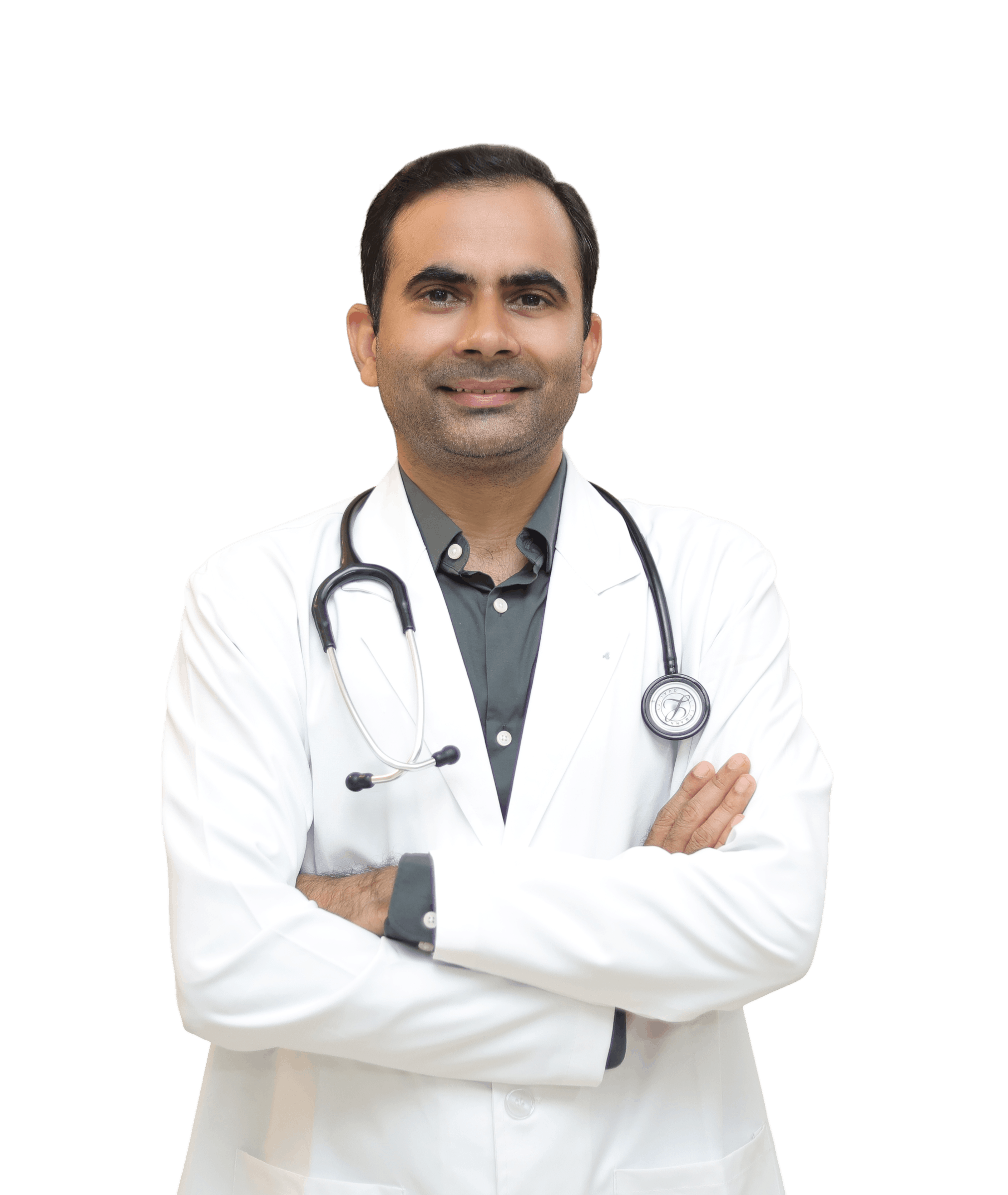
Dr. Pankaj Kumar
MBBS - SMS Medical College Jaipur
MD - RNT
Medical College Udaipur
DM Gastroenterology -
SGPGI Lucknow.
Consultant - Gastroenterology at Max Super Speciality Hospital
Our Service
Contact Info
Phone
+91 9599210449
drpankajkumargastro@gmail.com
Clinic
Ground Floor, B 100A, B Block, Pocket H, Sector 27, Noida, Uttar Pradesh 201301
OPD Time
Mon to Sat - 6 PM to 9 PM