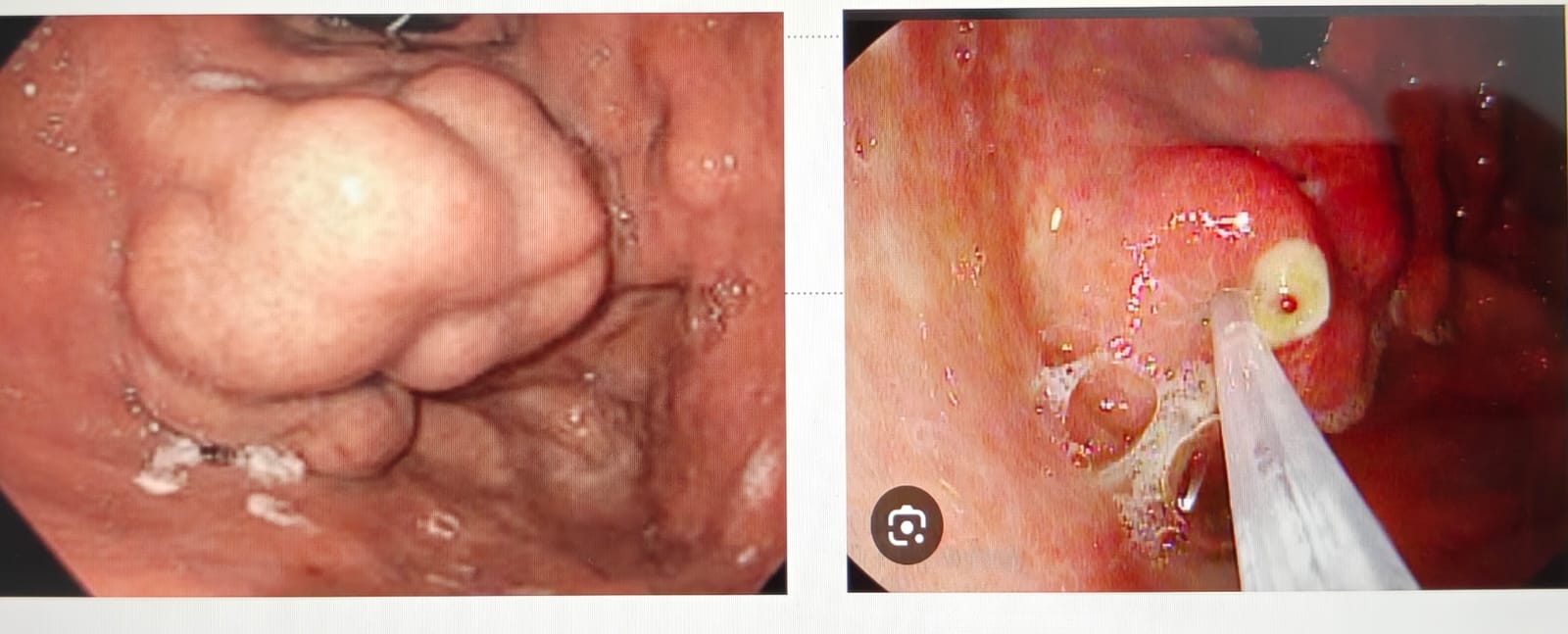
Endoscopy Glue Injection
Endoscopy Glue Injection is an advanced endoscopic procedure used to diagnose and manage certain sources of gastrointestinal bleeding, particularly bleeding from abnormal or enlarged blood vessels. The procedure combines endoscopic visualization with the targeted injection of a medical tissue adhesive, commonly known as glue, to help control bleeding and reduce the risk of further blood loss.
What Is Endoscopy Glue Injection?
Endoscopy allows a gastroenterologist to directly examine the upper gastrointestinal tract using a flexible camera. When a bleeding vessel or high-risk vascular lesion is identified, a specialized glue injection may be performed through the endoscope. The glue helps seal the affected blood vessel and control bleeding. This minimally invasive approach can be an important treatment option when bleeding requires prompt endoscopic intervention.
Why Is Glue Injection Performed During Endoscopy?
Glue injection during endoscopy may be recommended when abnormal blood vessels are responsible for gastrointestinal bleeding or have a significant risk of bleeding. The treatment is performed under endoscopic guidance, allowing the gastroenterologist to accurately identify and treat the bleeding source. Depending on the underlying condition, endoscopic glue injection may help control active gastrointestinal bleeding, seal abnormal or enlarged blood vessels, reduce the risk of recurrent bleeding, and provide a minimally invasive alternative to more invasive procedures when appropriate.
Gastric Varices
Selected Vascular Conditions
Significant Gastrointestinal Bleeding
Endoscopy with glue injection may be considered for selected vascular conditions, particularly gastric varices and other sources of significant gastrointestinal bleeding. Gastric varices are enlarged veins in the stomach that can develop due to increased pressure in the portal venous system and may cause serious bleeding. A gastroenterologist evaluates the location, size, and severity of the abnormal blood vessel before deciding whether glue injection is appropriate.
Before the procedure, the patient is assessed and prepared according to their medical condition. During endoscopy, a flexible endoscope is carefully guided through the upper gastrointestinal tract to locate the source of bleeding. Once the affected vessel is identified, the gastroenterologist uses specialized equipment to inject the medical glue directly into or around the targeted vessel. The glue helps seal the vessel and control bleeding. The procedure is performed under appropriate monitoring and sedation or anesthesia, depending on the clinical situation.
Minimally invasive treatment
Direct visualization of the bleeding source
Targeted treatment of abnormal blood vessels
Can help control potentially serious gastrointestinal bleeding
May reduce the need for more invasive interventions
Gastrointestinal bleeding can sometimes become serious and requires timely medical attention. Symptoms such as vomiting blood, black or tarry stools, dizziness, weakness, or unexplained blood loss should not be ignored. If gastrointestinal bleeding is suspected, a gastroenterologist can perform the necessary evaluation and determine whether endoscopy with glue injection or another treatment approach is appropriate.
Endoscopy Glue Injection requires specialized endoscopic expertise and careful patient assessment. Choosing an experienced gastroenterology team can help ensure appropriate diagnosis, treatment planning, and post-procedure monitoring. If you have symptoms of gastrointestinal bleeding or have been diagnosed with gastric varices, consult a qualified gastroenterologist to understand whether endoscopy with glue injection is suitable for your condition.

Dr. Pankaj Kumar
MBBS - SMS Medical College Jaipur
MD - RNT
Medical College Udaipur
DM Gastroenterology -
SGPGI Lucknow.
Consultant - Gastroenterology at Max Super Speciality Hospital
Our Service
Contact Info
Phone
+91 9599210449
drpankajkumargastro@gmail.com
Clinic
Ground Floor, B 100A, B Block, Pocket H, Sector 27, Noida, Uttar Pradesh 201301
OPD Time
Mon to Sat - 6 PM to 9 PM