Alcoholic Liver Disease Treatment – Expert Diagnosis & Comprehensive Liver Care
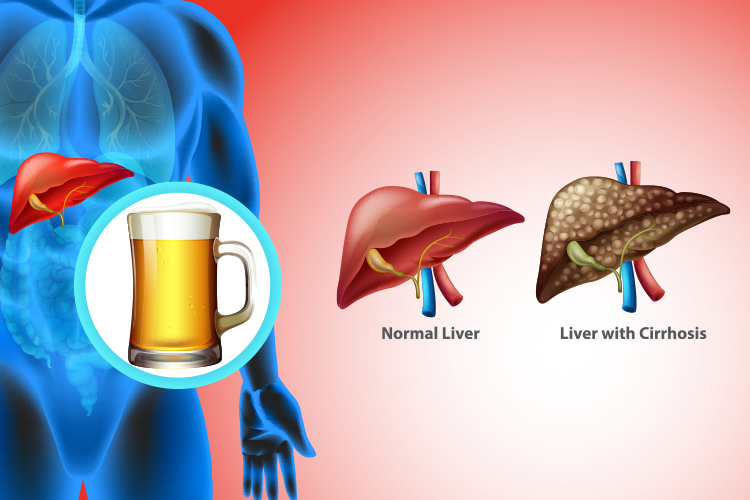
Alcoholic Liver Disease (ALD) is a serious condition caused by excessive and long-term alcohol consumption, leading to damage and inflammation of the liver. It ranges from simple fatty liver to alcoholic hepatitis, fibrosis, and liver cirrhosis. If left untreated, ALD can result in liver failure and increase the risk of liver cancer. Early diagnosis, complete alcohol cessation, and appropriate medical care are essential for protecting liver health and preventing irreversible damage.
Our experienced gastroenterologists and liver specialists provide comprehensive evaluation, advanced diagnostic services, and personalized treatment plans to help patients manage Alcoholic Liver Disease and improve their overall quality of life.
What Is Alcoholic Liver Disease?
Alcoholic Liver Disease develops when excessive alcohol intake damages liver cells over time. The liver is responsible for breaking down alcohol, but prolonged alcohol abuse can overwhelm its ability to repair itself, resulting in progressive liver injury. The stages of Alcoholic Liver Disease include Alcoholic Fatty Liver (Steatosis), Alcoholic Hepatitis, Liver Fibrosis, Liver Cirrhosis, and End-Stage Liver Disease. Early-stage disease can often improve with complete abstinence from alcohol and proper medical treatment.
Fatigue and weakness
Loss of appetite
Nausea and vomiting
Pain or discomfort in the upper right abdomen
Yellowing of the skin and eyes (Jaundice)
Swelling of the abdomen (Ascites)
Swelling in the legs and feet
Unexplained weight loss
Dark urine
Easy bruising or bleeding
Confusion or difficulty concentrating (Hepatic Encephalopathy)
Persistent itching
Heavy or binge drinking
Long duration of alcohol use
Poor nutrition
Obesity
Chronic viral hepatitis
Smoking
Genetic susceptibility
Female gender (higher sensitivity to alcohol-related liver damage)
Liver Function Tests (LFT)
Complete Blood Count (CBC)
Ultrasound Abdomen
FibroScan (Liver Fibrosis Assessment)
CT Scan or MRI (when indicated)
Coagulation Profile
Viral Hepatitis Screening
Nutritional Assessment
Liver Biopsy (in selected cases)
Complete alcohol cessation
Medically supervised alcohol withdrawal (if required)
Nutritional support and vitamin supplementation
Medications to reduce liver inflammation
Management of liver cirrhosis and its complications
Treatment of fluid accumulation (Ascites)
Regular liver function monitoring
Lifestyle counseling and rehabilitation support
Liver transplant evaluation in advanced cases
A multidisciplinary approach involving gastroenterologists, hepatologists, nutritionists, and addiction specialists provides the best outcomes for patients.
Stop alcohol consumption completely
Follow a nutritious, balanced diet
Stay physically active as advised
Maintain a healthy body weight
Avoid unnecessary medications without medical guidance
Stay vaccinated against Hepatitis A and B if recommended
Attend regular follow-up appointments
Seek counseling or rehabilitation support for alcohol dependence

Dr. Pankaj Kumar
MBBS - SMS Medical College Jaipur
MD - RNT
Medical College Udaipur
DM Gastroenterology -
SGPGI Lucknow.
Consultant - Gastroenterology at Max Super Speciality Hospital
Our Service
Contact Info
Phone
+91 9599210449
drpankajkumargastro@gmail.com
Clinic
Ground Floor, B 100A, B Block, Pocket H, Sector 27, Noida, Uttar Pradesh 201301
OPD Time
Mon to Sat - 6 PM to 9 PM