How Alcohol Affects Your Liver Health
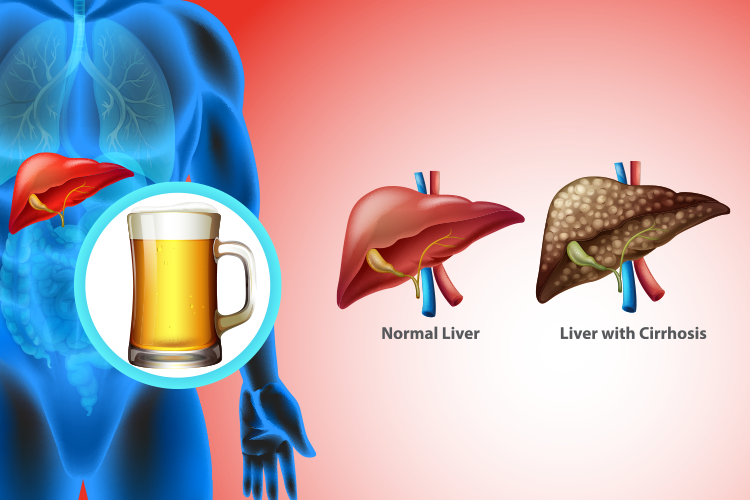
The liver is one of the most important organs in your body, responsible for filtering toxins, producing bile for digestion, storing nutrients, and processing medications. Since alcohol is considered a toxin, the liver works hard to break it down and remove it from the body. However, excessive or long-term alcohol consumption can overwhelm the liver, causing inflammation, scarring, and permanent damage.
Alcohol-related liver disease (ARLD) is one of the leading causes of chronic liver disease worldwide. The good news is that early liver damage can often be reversed if alcohol consumption is stopped in time. Understanding how alcohol affects your liver can help you make informed decisions and protect your long-term health.
What Happens When You Drink Alcohol?
After drinking alcohol, it is absorbed into the bloodstream through the stomach and intestines. Nearly 90% of the alcohol is metabolized by the liver. The liver converts alcohol into less harmful substances, but excessive alcohol intake produces toxic by-products that damage liver cells. Repeated exposure causes inflammation, fat accumulation, and eventually scarring. Since the liver can process only a limited amount of alcohol per hour, drinking heavily or frequently increases the risk of liver damage.
Stages of
Alcohol-Related Liver Disease
Fatty Liver (Alcoholic Fatty Liver Disease)
Alcoholic Hepatitis
Liver Fibrosis
Liver Cirrhosis
1.
Fatty Liver (Alcoholic Fatty Liver Disease)
This is the earliest stage of liver damage. Fat accumulates inside liver cells, making the liver enlarged and less efficient. Many people experience no symptoms, while others may notice fatigue, mild discomfort in the upper right abdomen, or loss of appetite. Fatty liver often improves within a few weeks after completely stopping alcohol consumption.
2.
Alcoholic Hepatitis
Alcoholic hepatitis is inflammation of the liver caused by excessive alcohol use. Symptoms may include fever, yellowing of the eyes and skin (jaundice), nausea and vomiting, abdominal pain, loss of appetite, weight loss, and extreme fatigue. Severe alcoholic hepatitis can become life-threatening and requires immediate medical attention.
3.
Liver Fibrosis
Persistent inflammation causes scar tissue to develop in the liver. Although the liver can still function, increasing scar tissue gradually reduces its ability to perform essential tasks.
4.
Liver Cirrhosis
Cirrhosis is the advanced stage of liver disease where healthy liver tissue is replaced by permanent scar tissue. Symptoms may include severe fatigue, jaundice, swollen abdomen (ascites), swollen legs and feet, easy bruising, confusion or memory problems (hepatic encephalopathy), internal bleeding, and muscle wasting. Unfortunately, cirrhosis is generally irreversible, although treatment can slow its progression.
How
Much Alcohol Is Too Much?
There is no completely risk-free level of alcohol consumption. The risk increases with daily alcohol intake, heavy binge drinking, drinking over many years, lack of alcohol-free days, and combining alcohol with other liver-damaging factors. Even moderate alcohol consumption may increase the risk of liver disease in some individuals, especially those with obesity, diabetes, or viral hepatitis.
Who Is at
Greater Risk?
Heavy drinkers
Individuals with obesity
People with diabetes
Patients with hepatitis B or hepatitis C
Individuals with a family history of liver disease
Women, who generally develop alcohol-related liver damage at lower levels of alcohol consumption than men
People with poor nutrition
Warning Signs of Liver Damage
Persistent tiredness
Yellow eyes or skin
Dark urine
Swollen abdomen
Unexplained weight loss
Loss of appetite
Persistent nausea
Easy bruising
Itchy skin
Swelling in the legs
Mental confusion
How Is Alcohol-Related
Liver Disease Diagnosed?
Medical history
Alcohol consumption history
Family history
Lifestyle assessment
Physical examination
Liver Function Tests (LFTs)
Complete Blood Count (CBC)
Clotting profile
Bilirubin levels
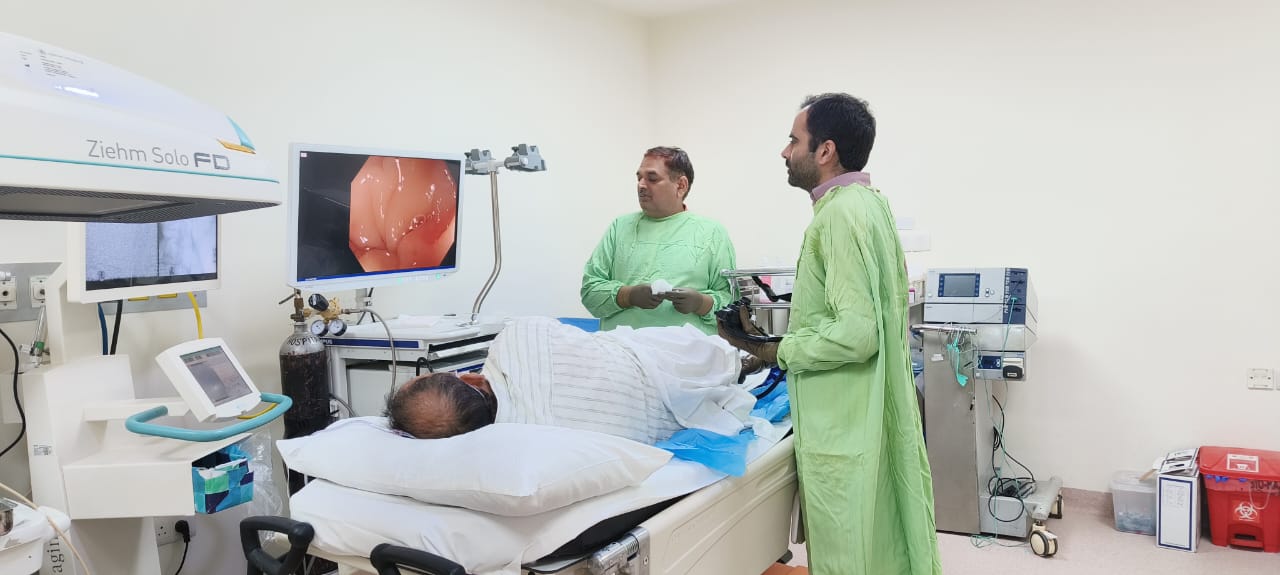
Ultrasound
FibroScan (Liver Elastography)
CT Scan
MRI
Liver Biopsy
Can Alcohol
Damage Be Reversed?
The answer depends on the stage of liver disease. Fatty liver is often completely reversible, alcoholic hepatitis often improves with treatment and alcohol cessation, fibrosis may show partial improvement, and cirrhosis is usually irreversible but progression can be slowed. Stopping alcohol is the single most important step in preventing further liver damage.
Treatment
Options
Complete Alcohol Abstinence
Nutritional Support
Medications
Management of Complications
Liver Transplant
Tips to Protect Your
Liver
Limit or avoid alcohol.
Maintain a healthy weight.
Eat a balanced, nutrient-rich diet.
Exercise regularly.
Stay hydrated.
Avoid smoking.
Get vaccinated against hepatitis A and B if recommended.
Never mix alcohol with medications without medical advice.
Have regular health check-ups if you drink alcohol frequently.
Long-Term Complications of Alcohol-Related Liver Disease
Cirrhosis
Liver failure
Portal hypertension
Internal bleeding
Ascites
Kidney damage
Brain dysfunction (hepatic encephalopathy)
Liver cancer (hepatocellular carcinoma)
Increased risk of infections
When Should You
See a Doctor?
Drink alcohol regularly and have liver-related symptoms.
Experience jaundice.
Have unexplained fatigue lasting several weeks.
Notice abdominal swelling.
Vomit blood or pass black stools.
Have persistent nausea or loss of appetite.
Have a family history of liver disease.
Prompt medical evaluation can prevent serious complications.

Dr. Pankaj Kumar
MBBS - SMS Medical College Jaipur
MD - RNT
Medical College Udaipur
DM Gastroenterology -
SGPGI Lucknow.
Consultant - Gastroenterology at Max Super Speciality Hospital